
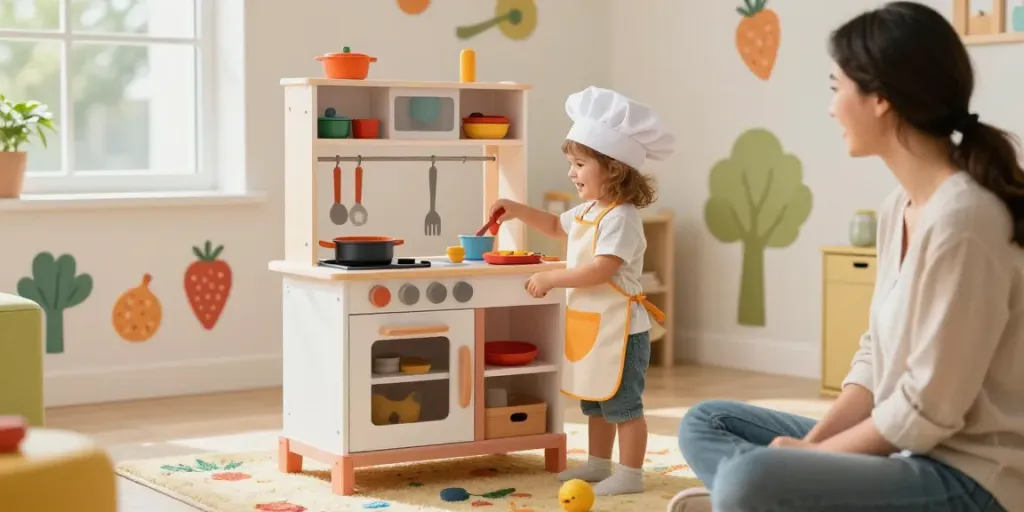
Understanding the Importance of a Kids Kitchen
Kids kitchens are not merely toys; they are gateways to a world where imagination and creativity flourish. By engaging in role-play, children step into the shoes of chefs, bakers, and even restaurant owners, allowing them to experiment with various scenarios within a safe environment. When exploring options, kids kitchen sets provide comprehensive insights into how these experiences can be nurturing and educational.
Why Kids Kitchens Foster Imagination and Creativity
Imaginative play is a vital part of childhood development, and kids kitchens serve as an excellent vehicle for this. Children can create their own stories, develop characters, and even invent unique recipes while engaged in play. This creative outlet not only enhances their cognitive skills but also promotes problem-solving and critical thinking.
Benefits of Role-Playing in Child Development
Role-playing in a kids kitchen allows children to explore scenarios they observe in their daily lives. Whether it's making breakfast for a parent or hosting a dinner party for friends, this type of play encourages them to mimic real-world behaviours and develop social skills. It also provides a platform for dialogue and negotiation, empowering them to communicate effectively.
How a Kids Kitchen Enhances Social Skills
A kids kitchen can serve as a hub for social interaction among peers. When children engage in cooking together, they learn the importance of teamwork, sharing, and taking turns. They also learn to express themselves and understand the feelings of others, which are crucial components of emotional intelligence.
Choosing the Right Features for Your Kids Kitchen
Selecting the right features for a kids kitchen is essential to ensure both safety and engagement. Key considerations include the variety of interactive elements and the overall design to fit your child's needs and your home.
Essential Safety Features to Consider
When purchasing a kids kitchen, safety should be your utmost priority. Look for play kitchens made from non-toxic materials, rounded edges to prevent injuries, and sturdy construction to withstand enthusiastic play. Additionally, opt for kitchens that are age-appropriate to minimise risks associated with smaller parts or heavy components.
Interactive Elements That Make a Difference
Interactive features can significantly enhance play. Options like sound effects, working lights, and movable parts can add depth to the play experience. Children are more likely to engage when they can turn on the oven light or hear sizzling sounds, making for a more immersive pretend cooking experience.
Choosing the Right Size for Your Space
Before making a purchase, consider the space where the kids kitchen will reside. Measure the area to ensure that there's enough room for your child to play comfortably and safely. A well-sized kitchen not only allows for ease of movement but also encourages shared play, making it a welcoming space for multiple children.
Materials and Durability of Kids Kitchens
Materials play a crucial role in the longevity and overall functionality of a kids kitchen. Understanding the differences between materials can help you make an informed choice that balances safety and durability.
Comparing Wooden vs Plastic Kitchens
Wooden kitchens are often favoured for their sturdiness and aesthetic appeal, providing a classic look that can blend well with other home furnishings. They tend to last longer but can be pricier. Plastic kitchens, on the other hand, are lightweight, often come with a variety of colours and designs, and are easier to clean, making them appealing for young children.
How to Ensure Longevity and Safety
To ensure that your kids kitchen lasts, regular maintenance is key. Inspect the kitchen for loose screws or parts, clean it regularly to keep it free of dust and germs, and ensure that all features remain functional. This not only prolongs its life but also keeps the play environment safe for your child.
Eco-Friendly Options and Their Benefits
As environmental awareness grows, many manufacturers are offering eco-friendly play kitchens made from sustainable materials. These options can be safer for children and the planet. Investing in eco-friendly toys means supporting a healthier environment while instilling values of sustainability in your children from a young age.
Budgeting for Your Kids Kitchen Set
Understanding the financial investment involved in purchasing a kids kitchen is crucial. Prices can vary widely based on materials, features, and brand reputation, so setting a budget helps in making an informed decision.
Understanding Average Costs and Price Ranges
Typically, you can expect to pay anywhere from £50 to £300 for a kids kitchen, depending on the complexity of the design and the materials used. Basic plastic models are usually more affordable, while high-end wooden varieties may cost more but offer greater durability and aesthetic appeal.
Value for Money: Features Worth Investing In
When budgeting, consider investing in kitchens that come with a variety of accessories, such as play food and utensils, which can enhance the play experience. Features like interactive elements and realistic designs can also justify a higher price point, providing a richer play experience.
Best Places to Find Deals and Discounts
Keeping an eye on sales events, seasonal discounts, and special promotions can lead to significant savings. Online retailers, local toy shops, and even second-hand stores can offer competitive prices. It’s worth comparing prices across platforms to get the best deal.
Future Trends in Kids Kitchens (2026 and Beyond)
The landscape of kids kitchens is evolving, and several trends are emerging that are likely to shape future offerings.
How Technology is Shaping Play Kitchen Experiences
Technology is increasingly being integrated into playsets, with features such as touch-activated sounds and interactive apps that can accompany physical kitchens. These advancements not only enhance engagement but also allow for a blend of digital and physical play that can keep children entertained and learning.
Incorporating Learning into Play: The Rise of Educational Features
Parents are now looking for toys that offer educational value. Future kids kitchens may include features that teach basic cooking skills, mathematical concepts like measuring ingredients, and even nutritional information. Such integrations can promote learning while children enjoy the fun of pretend play.
Predictions for Market Trends and Consumer Preferences
As parents continue to seek sustainable and educational options for their children, we can expect a rise in demand for eco-friendly materials and multi-functional designs in kids kitchens. Brands that align with these values may lead the market, providing durable, safe, and enriching play experiences.
What is the best kitchen for kids?
The best kitchen for kids balances safety, durability, and interactive play features. It should also suit the child's age and space requirements.
What age to get rid of kids kitchen?
Most children will transition out of their kids kitchen by the age of 8, but some may continue to enjoy pretend play beyond this age, especially if they incorporate learning or creativity into their experiences.
How much does a kitchen set for kids cost?
Prices can vary widely, from around £50 for basic models to upwards of £300 for high-end designs. Factors include materials, size, and included accessories.
Where can you buy kids kitchens?
Kids kitchens can be found at toy retailers, department stores, or online marketplaces. It's beneficial to compare prices and read reviews to find the best option.
What features should I look for in a kids kitchen?
Look for safety features, durability, interactive elements, and accessories that enhance play as critical attributes in a kids kitchen.
